
Seasons
The Best Time to Visit Sigiriya, Month by Month
There is no bad month here. There are months that suit a climb, months that suit elephants, and months that suit sitting under a tree while it rains for an hour and then stops. The question is which trip you are taking.
The drier months are easier for the climb and bring the elephants onto the tank bed at Minneriya. The wetter months are greener and quieter, with rain that comes in the afternoon rather than all day. No month here has nothing worth doing.
Start Here
The Two Seasons That Actually Matter
Most writing about Sri Lankan weather describes the south west monsoon, because that is the one that lands on the beaches and the hill country where most visitors go. It is the wrong monsoon for this page.
Sigiriya sits in the dry zone, in the middle of the island, in the rain shadow of the hills. It takes its main rain from the north east monsoon instead, which arrives towards the end of the year. So the months that are washed out on the south coast can be perfectly good here, and the reverse is true as well.
That single fact is worth more than any table. If somebody tells you Sri Lanka is unvisitable in a given month, ask them which coast they mean.
The Table
Month by Month, and What Each One Costs You
Four columns, because four things change and they do not change together. A month can be perfect for elephants and hard work on the rock at the same time.
There are no rainfall figures or temperature averages on this page. Weather here swings a long way year to year, an average would be misleading, and you can get numbers anywhere. What you cannot get elsewhere is what it is like to be standing in it, which is what this table is.
| Roughly | Weather | The climb | Wildlife | Crowds |
|---|---|---|---|---|
| January to February | Drying out after the north east rains, cooler mornings, clear light | The kindest months to climb. Cool stone, good visibility from the summit | Water everywhere, so herds are spread out. Northern migrant birds still here | Busy. This is peak season across the island |
| March to April | Hot and getting hotter. The dry zone earns its name | Hard after nine in the morning. The staircases are metal and there is no shade | Tanks starting to draw down. Elephant numbers beginning to build | Still busy, easing after the New Year |
| May to June | Hot, with the south west monsoon soaking the other side of the island rather than this one | Early start essential. Afternoons are for shade | Water dropping, grass appearing on the tank beds, herds moving in | Quieter |
| July to September | Dry and hot, often with a breeze | Go at opening time and it is fine. Go at eleven and you will regret it | The gathering, in most years. The single best window for elephants | Busy again, driven by the elephants rather than the weather |
| October to November | The north east rains arrive. Afternoon downpours rather than all day drizzle | Mornings usually clear. Steps can be slick, and cloud sometimes sits on the summit | Herds disperse back into the forest as the forest greens up | Quietest of the year |
| December | Rain easing off, everything green, tanks full | Good, with a chance of a wet morning | Spread out but active. Birding is excellent around the full tanks | Filling up again towards the end of the month |
The months are approximate on purpose. The rains have arrived early and arrived late in recent years, and the gathering has moved with them. Message us and we will tell you what the last few weeks have actually been like.
On the Rock
Climbing Weather, and Why Early Wins
Here is the thing nobody says clearly enough. The month matters far less than the hour. A March morning at seven is more comfortable than a January afternoon at two, because the last stretch of Sigiriya Rock is open metal staircase bolted to a west facing wall with no shade on it anywhere.
In the hot months the answer is not to pick a different month. It is to be at the counter when it opens, which is why staying twelve minutes away rather than an hour away changes the day. Breakfast can go early and a tuk tuk can be at the door before six.
In the wet months the risk is different and smaller. Steps get slick, and occasionally cloud sits on the summit and takes the view with it. Neither usually lasts, because rain here tends to come through rather than settle in.
Ticket timing and the climb itself are here, and Pidurangala is the other climb, shorter but with a boulder scramble that is worse in the wet.
Twenty Minutes Away
When the Elephants Gather
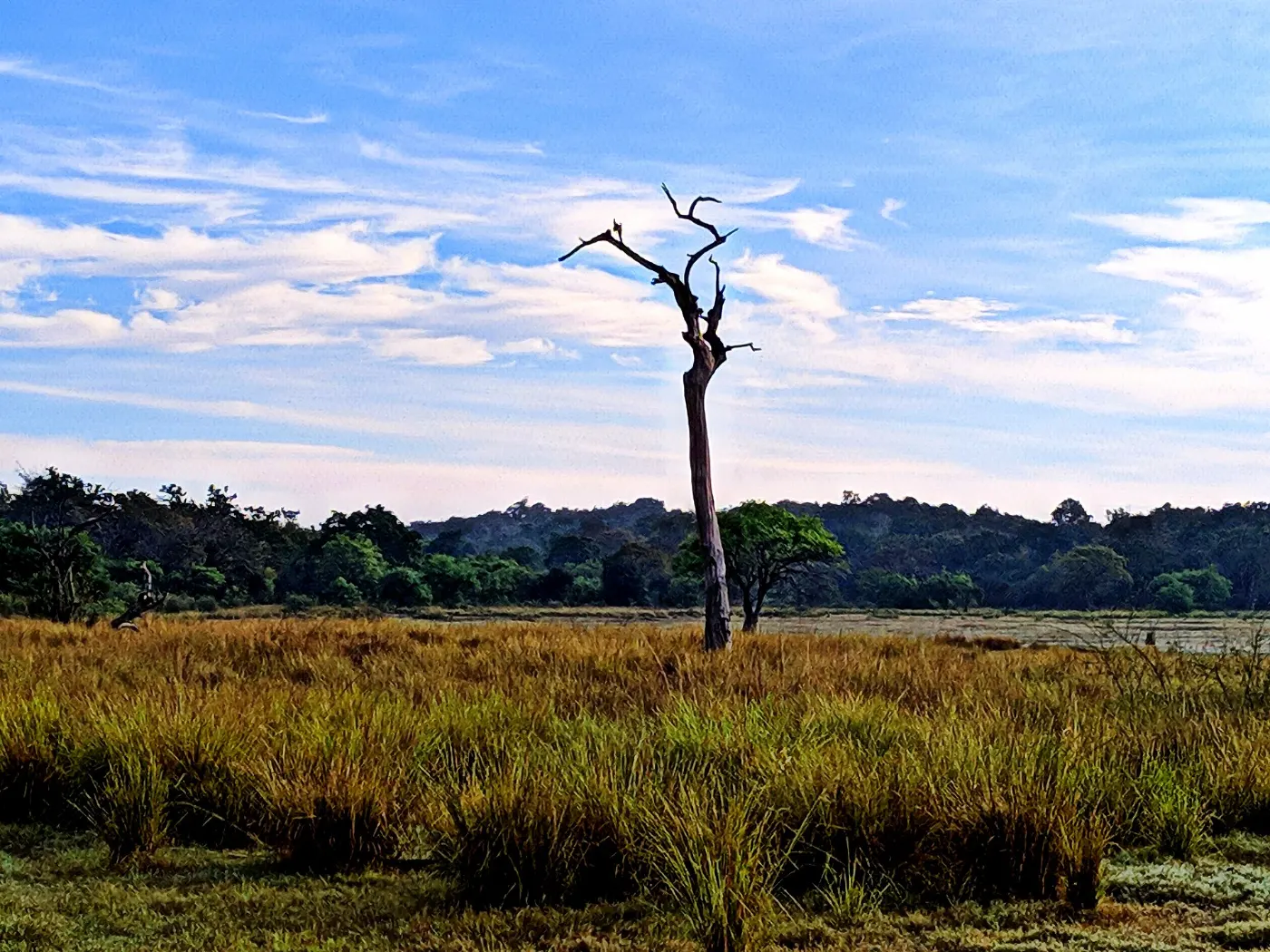
If elephants are the reason you are coming, this is the section that should decide your dates. As the dry season wears on, the tank at Minneriya draws back and leaves fresh grass on the exposed bed, and herds come out of the surrounding forest to feed on it in numbers that are hard to credit until you are sitting in front of them.
In most years that peaks somewhere between July and September. In some years it does not, because the whole thing is driven by rainfall rather than by the calendar, and a wet August keeps the herds in the forest where they do not need the tank.
The herds also move between Minneriya, Kaudulla and Hurulu as water levels change, so the park that was extraordinary last year can be quiet this one. The park guide explains why, and we check where they actually are before booking anything.
October and November
The Quiet Months Nobody Books
October and November are the least booked weeks of our year, and they are not the worst ones.
The Rock to Yourself
The difference between the summit in August and the summit in November is not the view, it is how many people are standing on it. In the quiet weeks you can sit up there for half an hour without moving for anybody.
Everything Is Green
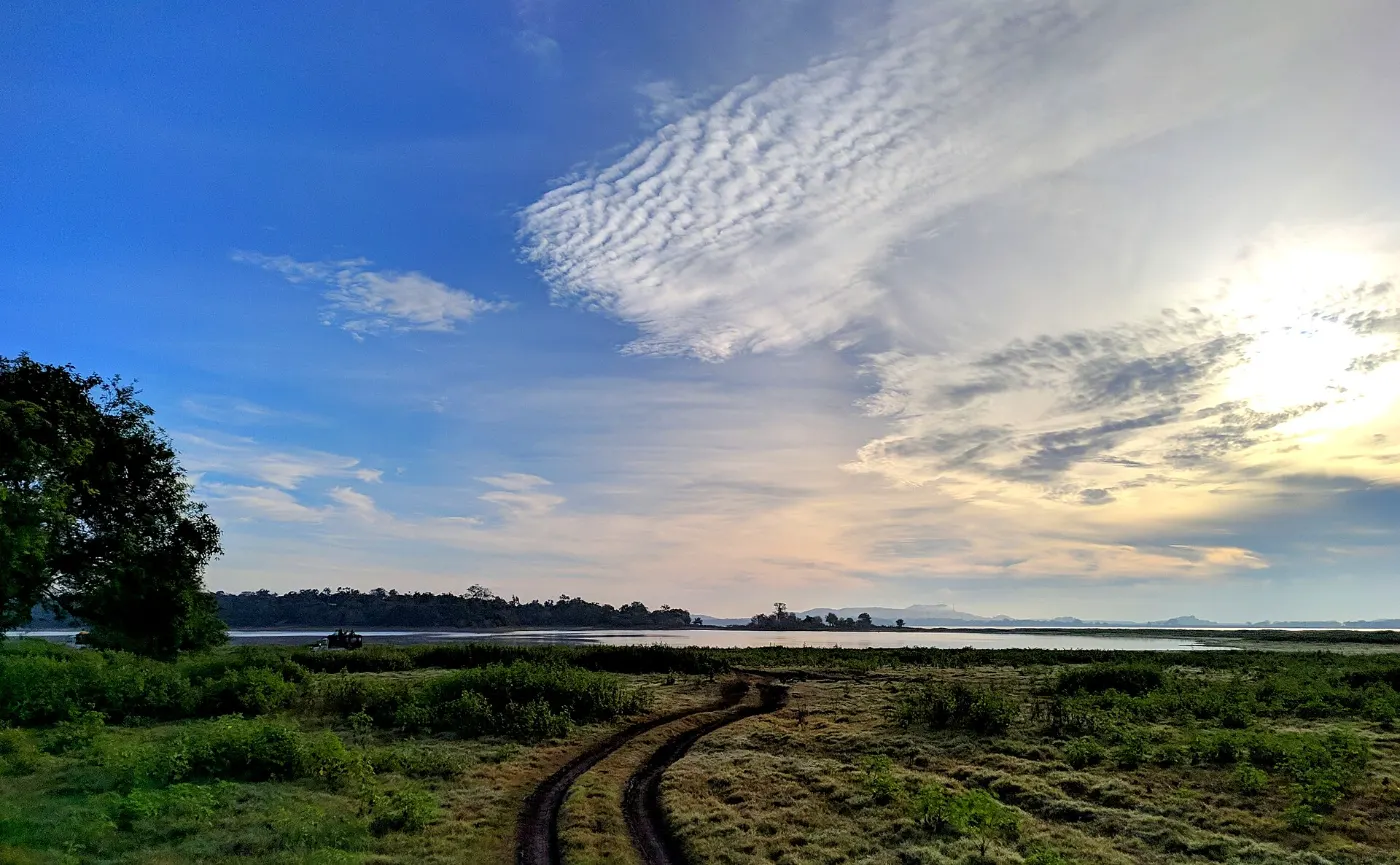
The dry zone in the dry season is beautiful in a bleached, hard way. After the rains it is a different country. The paddy comes up, the tanks fill, and the forest around the cottages is loud from four in the morning.
Your First Choice of Cottage
With fewer people booking, the cottage you have your eye on is more likely to be open, even at short notice. Rates still start at the figures on the cottage pages.
The honest counterweight, so this does not read as a sales pitch. You are trading the elephant gathering for the quiet, and you will probably get rained on at some point. If seeing hundreds of elephants in one place is the whole reason for the trip, come in the dry months and accept the crowds. If it is one good thing among several, the quiet months are the better holiday.
Tell Us the Dates
We Will Tell You What That Week Is Usually Like
Send the dates you are considering and we will tell you what to expect, where the herds have been, and whether a fortnight either side would serve you better. We would rather move your booking than have you arrive in the wrong month.
Timing
Questions About When to Come
What Is the Best Time to Visit Sigiriya?
The drier months are easier for climbing and they coincide with the elephant gathering building at Minneriya. The wetter months are greener and quieter, with rain that tends to arrive in the afternoon rather than lasting all day. There is no month here with nothing worth doing, only months that suit different trips.
What Are the Rainy Months in Sigiriya?
Sigiriya sits in the dry zone and takes its main rain from the north east monsoon, not the south west one that soaks the coasts and the hills. Broadly, the wetter stretch runs through the last months of the year and into the new one, and the drier stretch through the middle of the year. That is the opposite of what most Sri Lanka weather advice implies.
Is It Too Hot to Climb Sigiriya Rock?
In the middle of the day in the hot months, genuinely yes for some people. The staircases are metal and the last stretch has no shade. The answer is not a different month, it is being at the counter when it opens. We are twelve minutes away, so that is an easy morning rather than a heroic one.
When Can You See the Elephant Gathering?
The dry months build towards a peak that usually falls somewhere between July and September. It is driven by rainfall rather than by the calendar, so it moves, and in a wet year it is muted. Elephants are present all year, just more spread out when there is water everywhere.
Is the Green Season Worth It?
Yes, and it is underrated. Everything is green, the tanks fill, the birds are loud and breeding, and you share the rock with far fewer people. The rain is usually an afternoon event rather than a whole day. You are trading the gathering for the quiet.
Which Month Is Quietest?
October and November are the least booked weeks of our year. If you want the site close to yourself and you do not mind an afternoon downpour, that is the trade on offer.